Blogs
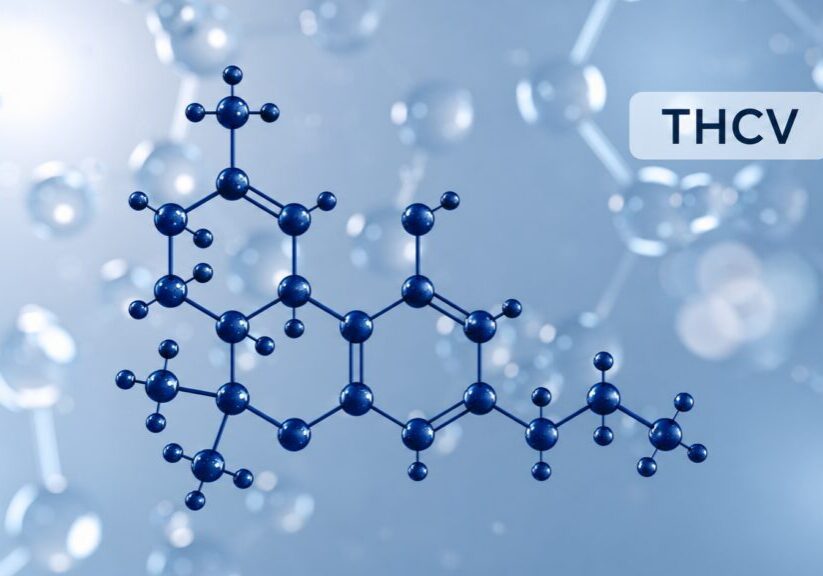
What is THCV? From cannabinoid research to cultivation at Glass Pharms®
THCV, or tetrahydrocannabivarin, is a naturally occurring cannabinoid found in cannabis. It is chemically related to THC, with differences in how it interacts with the body’s cannabinoid receptors. Early research points to promising potential for THCV in appetite regulation and metabolic health, with human studies beginning to build on laboratory findings. At Glass Pharms®, we have developed a THCV-rich cultivar grown right here in the UK, first released to UK patients on 20 October 2026. Here, we look at the science behind THCV and the work our cultivation team put into bringing this brand-new medical cannabis treatment option from development...

How Glass Pharms® grows medical cannabis off-grid, powered by food waste
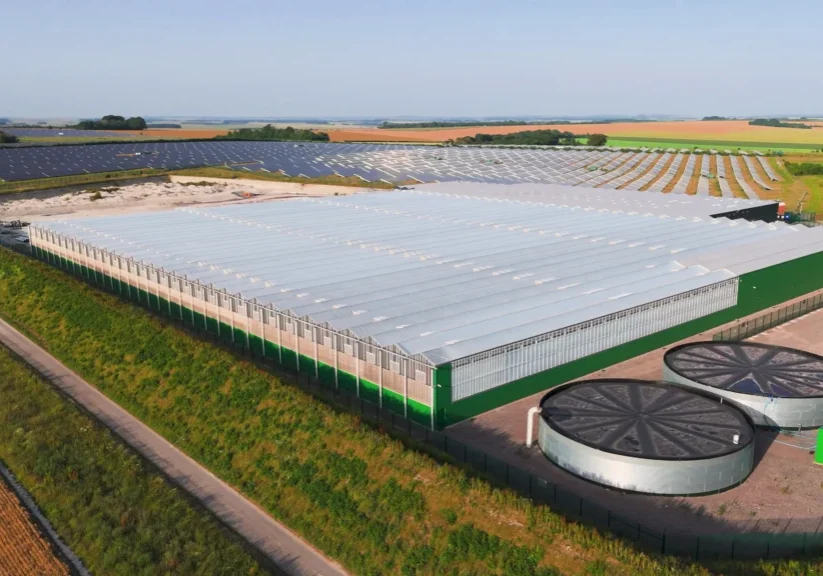
Glass Pharms is the first UK medical cannabis cultivation facility growing off-grid, powered by energy produced through processing food waste. Our glasshouse takes its energy from a co-located anaerobic digestion plant, which converts waste (that would otherwise rot in landfill) into clean power for our crop. Since we first envisioned Glass Pharms, we were driven by a simple principle: that medical cannabis could be grown cleanly, sustainably, and without reliance on the national grid. For us, that starts with the contents of the nation's food bins. Our UK-patented glasshouse runs off-grid, powered by an anaerobic digestion plant (that neighbors the...
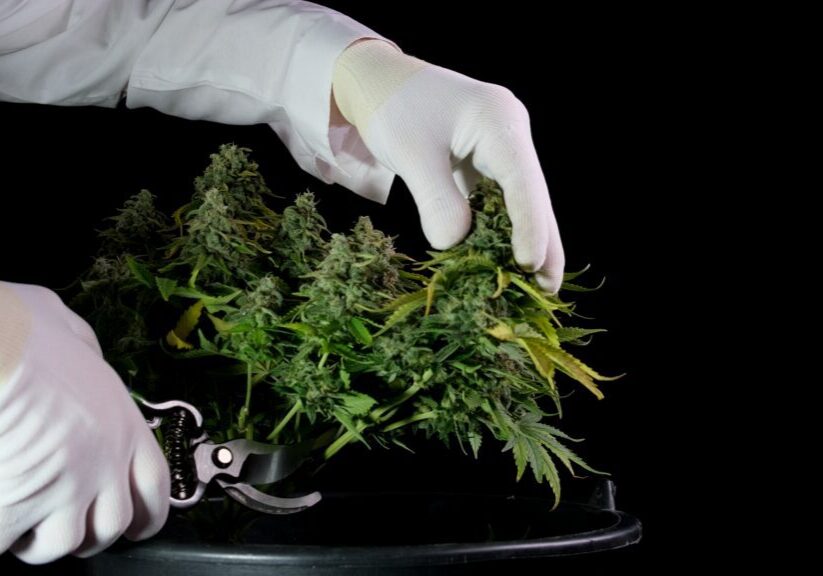
The Glass Pharms® post-harvest process explained
The quality of medical cannabis flower prescribed to patients in the UK is not determined by the cultivation process alone. Once the crop is harvested, it moves through a carefully managed post-harvest process that includes deleafing, manual quality checks, drying, curing, and finally storage before being delivered to pharmacies across the country. At Glass Pharms®, we treat the post-harvest process as just one part of our wider cultivation system, all informed and monitored through the same data-led approach that guides each crop from propagation through harvest. Glass Pharms' UK medical cannabis flower is never freeze-dried. Post-harvest handling starts before the...
Carbon neutral vs net zero vs carbon negative: what’s the difference?
Carbon neutral vs net zero vs carbon negative. The difference is how far each goes. Carbon neutral balances emissions, usually through carbon offsets. Net zero cuts emissions across a business’s full value chain and usually offsets the small remainder. Carbon negative goes beyond zero, removing more greenhouse gas than the business emits. Each represents a bigger climate commitment than the last. Glass Pharms® grows medical cannabis in what is, by design, the world’s first carbon-negative cultivation facility of its kind. Three terms, with three very different meanings, and a level of confusion between them. Key takeaways Carbon neutral usually balances...
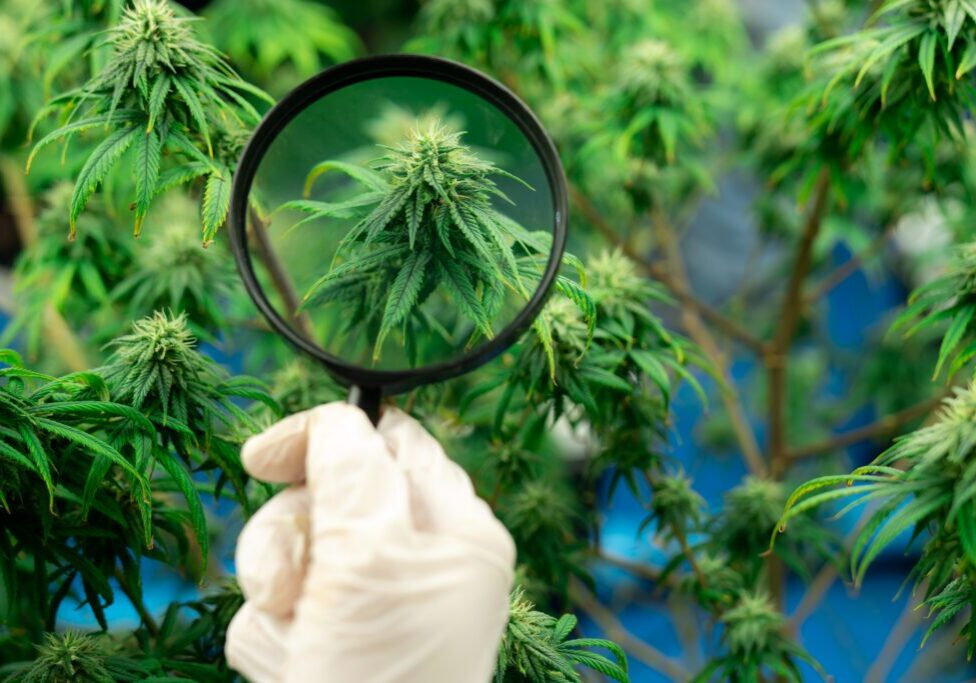
The carbon footprint of medical cannabis explained: Imported vs UK-grown
The carbon footprint of medical cannabis flower cultivation comes down to how it is grown and how far it has to travel. Conventional indoor cultivation can draw heavily on grid electricity, while much of the flower prescribed in the UK is still imported, often flown thousands of miles. Here at Glass Pharms®, we grow all of our medical cannabis in the UK, and in the world’s first carbon-negative cannabis cultivation facility, powered by energy generated from food waste rather than the national grid or carbon offsets. Key takeaways The carbon footprint of medical cannabis depends largely on cultivation energy, environmental...
How Controlled Environment Farming Is Transforming Pharmaceutical Ingredient Quality
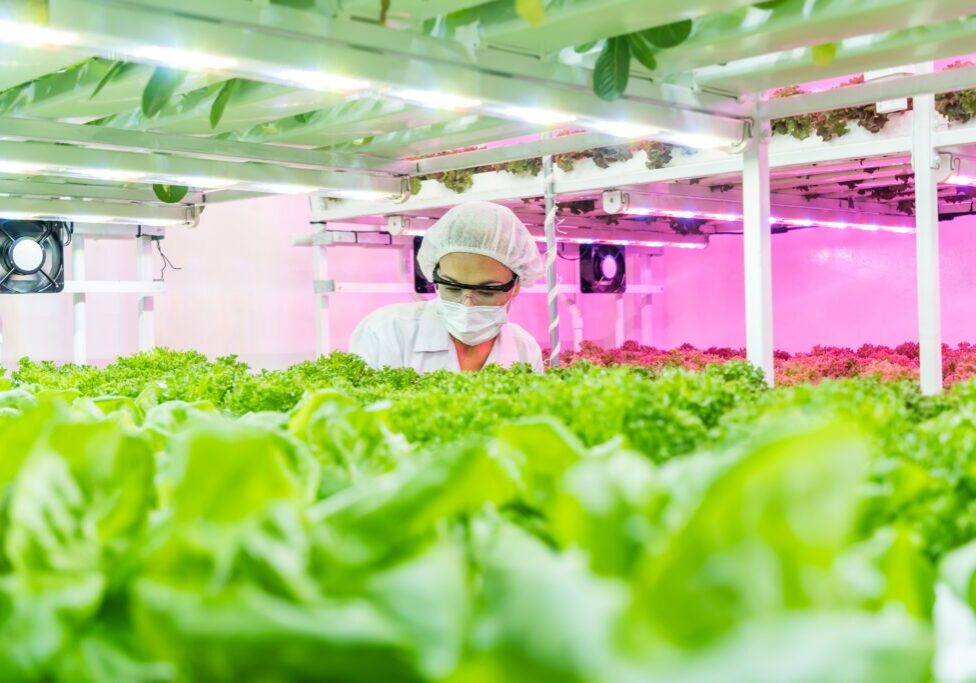
A woman scientist in protective gear inspects hydroponics lush green plants in a modern indoor garden, illuminated by vibrant pink ultraviolet and white lights. Science for food sustainable concept. IntroductionThe unwavering demand for pharmaceutical innovation hinges significantly on the quality and consistency of its raw ingredients. For pharmaceutical manufacturers, patient safety and product efficacy are paramount, making the sourcing of reliable, pure, and standardised raw materials a critical, often complex, endeavour. Traditional botanical sourcing methods frequently present a myriad of challenges, from inherent batch variability and seasonal inconsistencies to the risk of environmental contamination and unpredictable supply chains. These common...