
What is THCV? From cannabinoid research to cultivation at Glass Pharms®
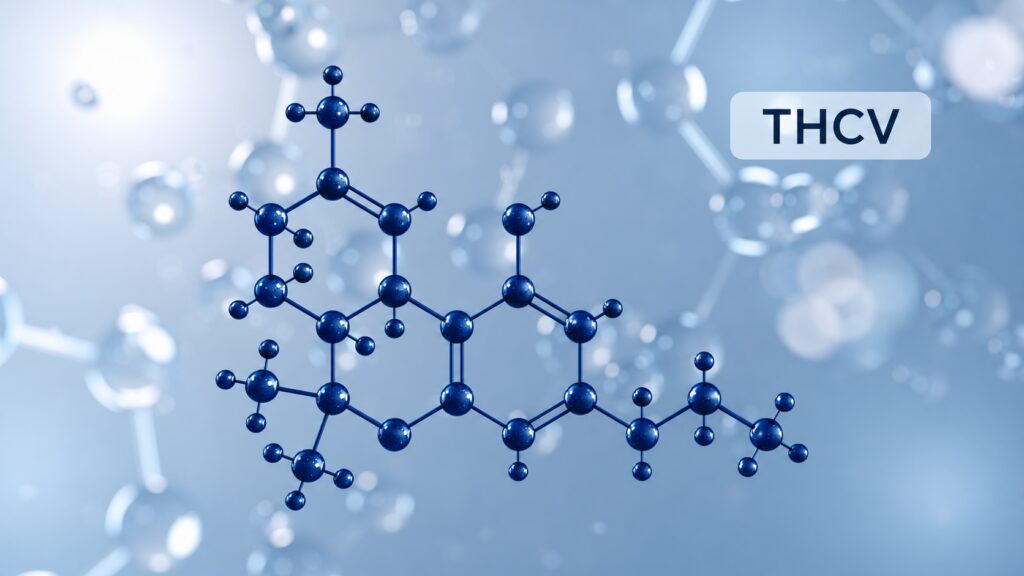
THCV, or tetrahydrocannabivarin, is a naturally occurring cannabinoid found in cannabis. It is chemically related to THC, with differences in how it interacts with the body’s cannabinoid receptors. Early research points to promising potential for THCV in appetite regulation and metabolic health, with human studies beginning to build on laboratory findings.
At Glass Pharms®, we have developed a THCV-rich cultivar grown right here in the UK, first released to UK patients on 20 October 2026. Here, we look at the science behind THCV and the work our cultivation team put into bringing this brand-new medical cannabis treatment option from development to patients’ doorsteps.
Key takeaways
- While structurally similar to THC, THCV interacts differently with the body’s cannabinoid receptors, drawing research interest in this minor cannabinoid’s potential effects on appetite and metabolism.
- Early human trials have reported improved blood glucose regulation with THCV and weight loss with a THCV/CBD combination. These encouraging findings need confirmation in larger studies.
- Our cultivation team spent a year developing THCV Harmony® and refining the growing conditions needed to produce consistent results across batches.
- THCV Harmony® first launched through Releaf in October 2026. Other UK clinics can contact Glass Pharms® to discuss future supply.
How did Glass Pharms develop its THCV-rich cultivar?
Developing THCV Harmony® began with identifying plants that could produce the cannabinoid in substantial quantities, then assessing their suitability for our cultivation programme.
“THCV was a molecule of interest for us, and we considered various plants for suitability. Suitable genetics are rare, with THCV historically documented in cannabis from Pakistan and southern Africa, among other regions,” explains James Duckenfield, our CEO here at Glass Pharms®.
“The plant produces THCV through a parallel pathway to the one used for THC and CBD. One key difference is the starting material: divarinolic acid takes the place of olivetolic acid. The plant’s genetics determine its ability to use this pathway, which is why selecting suitable plants was so important.
“THCV Harmony® then went through our internal development process over the course of a year, during which we established the growing regime needed to achieve repeatable results.”
This development work brought THCV Harmony® into our medical cannabis cultivation programme, ahead of its entire initial supply of 100kg to UK patients through Releaf in October 2026.
While the first allocation was fulfilled for Releaf, we welcome enquiries from other clinics interested in discussing future supply.
What is THCV?
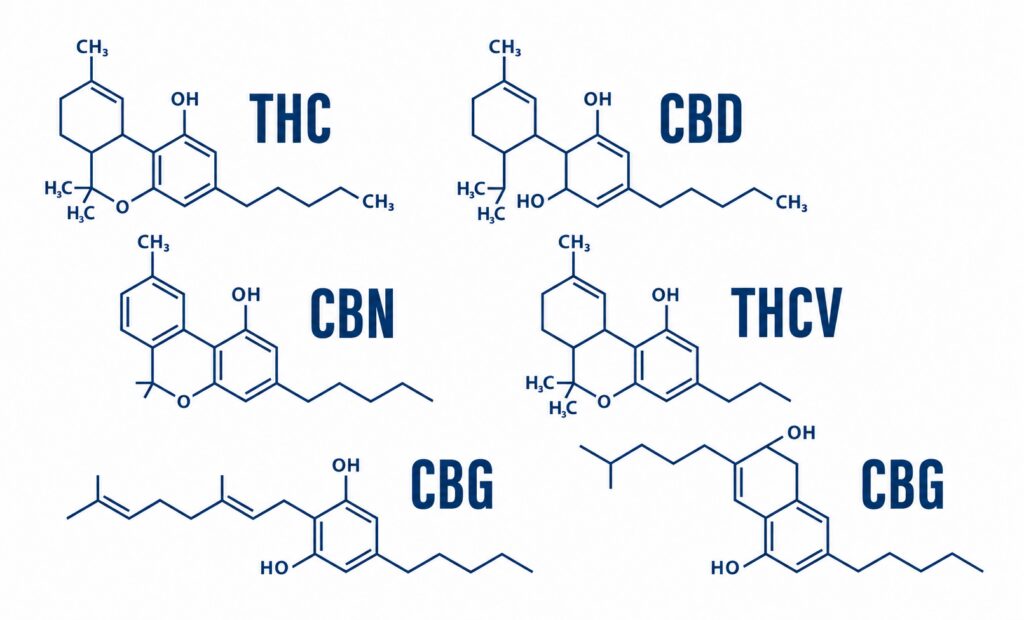
THCV is a cannabis-derived cannabinoid. Research has shown that cannabis produces more than 120 cannabinoids, a family of naturally occurring compounds that includes THC, CBD, CBG, CBN, and tetrahydrocannabivarin, or THCV. Plant-derived cannabinoids are also called phytocannabinoids.
THCV is commonly grouped among the minor cannabinoids because it generally occurs in far smaller quantities than THC or CBD, at least in most options available up until now.
The proportions of these compounds vary between cultivars. A plant with a high THC or CBD concentration will not necessarily produce much THCV, and developing THCV-rich flower starts with genetics that naturally produce higher levels of THCV.
“THCV-rich” describes flower in which THCV makes up a more substantial part of the cannabinoid content. Other cannabinoids are also present, including THC, with the concentrations of each depending on the cultivar.
How does THCV differ from THC?
THCV and THC have closely related chemical structures, with one small but significant caveat: THCV has a three-carbon side chain, while THC has five. That difference explains why the two compounds interact differently with our endocannabinoid receptors, with potentially different therapeutic effects.
THC activates CB1 receptors, which are involved in functions including appetite, memory, and mood. This activity contributes to its intoxicating effects and its tendency to increase hunger.
THCV can act as a blocker at the same receptor. Laboratory research has shown that it can oppose CB1 receptor activation, a finding that has drawn attention to its potential role in appetite regulation. This activity depends on concentration and research conditions, and the relationship is a little more complex than simply stating “THC increases appetite and THCV reduces it.”
There are also early human findings on how the two compounds interact. In a small placebo-controlled study involving ten men, participants took oral THCV for five days before receiving THC intravenously. Nine reported that the THC felt “less intense” after THCV than after placebo.
What does the research actually show right now?
Human research into THCV has produced encouraging findings, particularly around blood glucose regulation and its administration alongside CBD in weight management. Researchers have also examined how it affects the brain’s response to food.
Food responses
In a 2015 study examining how THCV affects the brain’s response to food, 20 healthy volunteers received a single 10 mg dose of THCV or a placebo.
Brain scans showed that THCV changed how participants processed appealing and unpleasant food images and tastes, suggesting it can influence the brain systems involved in food reward.
Participants did not report wanting food less, so this particular study did not demonstrate appetite suppression directly.
It provided an early indication of THCV’s activity in the human brain and a basis for further research into eating behaviour.
Blood glucose regulation
A 2016 trial published in Diabetes Care looked at THCV and CBD’s effects on blood glucose regulation in 62 people with type 2 diabetes who were not taking insulin. Participants were assigned to one of five treatment groups for 13 weeks.
- Two groups took either THCV or CBD alone
- Two groups took different combinations of both
- The fifth group received a placebo.
Those taking 5 mg of THCV twice daily had significantly lower fasting blood glucose than the placebo group. This measures blood sugar after a period without food, usually overnight. Researchers also found an improvement in a measure of how well the pancreas’s insulin-producing cells were functioning.
The results offer an encouraging early indication that THCV could play a role in blood sugar regulation. That said, with 62 participants divided across five groups, larger studies are needed to confirm these findings.
Weight management
A 2025 study examined weight loss and metabolic changes in people taking THCV and CBD oral strips. Forty-four participants completed the 90-day trial, taking one of three daily treatments:
- Lower dose: 8 mg THCV with 10 mg CBD.
- Higher dose: 16 mg THCV with 20 mg CBD.
- Placebo: a strip containing neither cannabinoid.
Both cannabinoid groups lost significantly more weight than the placebo group, with greater weight loss reported in the higher-dose group. Researchers also reported reductions in waist measurements, systolic blood pressure, and total and LDL cholesterol.
These studies used oral THCV or THCV/CBD formulations, rather than THCV Harmony® flower, so their findings provide a basis for further investigation rather than evidence of the same effects from this cultivar.

What does THCV Harmony® offer UK clinics?
The launch of THCV Harmony® through Releaf brings a UK-grown, THCV-rich cultivar into the clinical prescribing landscape for the first time.
“We expect THCV to be of interest to clinicians prescribing GLP-1 medications, as well as existing medical cannabis clinics whose patients are concerned about the appetite-stimulating effects of high-THC flower,” James Duckenfield adds.
That interest creates an opportunity for further conversations between cultivators and prescribers. Understanding which cannabinoid characteristics matter to frontline clinicians and the patients they treat will inform future development work and give UK clinics a clearer picture of what domestic cultivation through Glass Pharms can now offer.
We welcome conversations with other UK clinics interested in THCV Harmony® to discuss the cultivar and future supply. Healthcare professionals and commercial partners can now request access to our cultivar information across the Glass Pharms® full portfolio.
What comes next for THCV?
The early human findings give researchers good reasons to keep studying THCV. Larger trials are needed to establish whether the changes seen in blood glucose and body weight are repeatable, and clarify how THCV performs on its own and alongside other cannabinoids.
For Glass Pharms®, developing a THCV-rich cultivar has brought this area of cannabinoid research into our UK cultivation work. The first release through Releaf is a milestone we can build on with other clinics, as the full understanding of THCV’s potential therapeutic benefits develops.